No Power in the Property? Safe Electrical Troubleshooting Guide
If there is no electricity in the property, there are a few basic checks tenants should complete before an electrician is booked. In many cases, the issue may be caused by no credit on a top-up meter, a tripped fuse switch, or an appliance causing the electricity to trip.
Tenants are responsible for completing the safe troubleshooting steps below before opening a maintenance task. If the issue continues after these checks have been completed, please open a task in the system and upload the required photos so we can arrange the correct contractor without unnecessary delays.
Important Electrical Safety Notice
- Do not touch exposed wires, damaged sockets, burnt plugs, or damaged cables.
- Do not attempt to repair electrical wiring yourself.
- Do not open or remove covers from the fuse box/consumer unit.
- If you smell burning, see smoke, sparks, scorch marks, or overheating, stop using the electricity immediately and report the issue as urgent.
- If water is leaking near electrics, do not touch the affected area and report the issue immediately.
- If a fuse switch keeps tripping repeatedly, do not keep resetting it. Follow the steps below and report the issue if it continues.
Step-by-Step Checks
1. Check whether the issue affects the whole property
First, check whether the whole property has no electricity or whether only one room, socket, appliance, or light circuit is affected.
- If the whole property has no power, check the meter and fuse box.
- If only one socket or appliance is affected, stop using that socket or appliance and report the issue.
- If the whole building or street appears to have no power, it may be an external power cut. Please check with the electricity supplier or network operator.
2. Check the top-up meter, if applicable
If the property has a pre-payment or top-up electricity meter, please make sure there is enough credit on the meter. If the meter has run out of credit, the electricity may switch off.
If you have topped up the meter, follow the meter instructions to reconnect the supply if required.
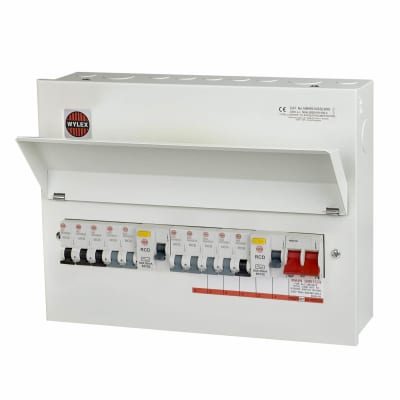
3. Check the fuse box or consumer unit
The fuse box, also known as the consumer unit, is usually located in a hallway, cupboard, storage area, or near the electricity meter. Please check whether any switches are down or in a different position from the others.
If a switch has tripped, you may reset it once by pushing it back up. If it trips again immediately, do not keep forcing it back up. Follow the appliance check below.
The fuse box may look similar to this:
4. Unplug appliances and test them one by one
If the fuse box trips again, one of the appliances may be causing the problem. Please unplug all appliances from the sockets in the affected area.
Once everything has been unplugged, reset the fuse switch once. Then plug the appliances back in one at a time to identify whether one specific appliance is causing the power to trip.
If the electricity trips when a particular appliance is plugged in or switched on, stop using that appliance and report it in the maintenance task.
5. Check high-use appliances
Appliances that commonly cause power to trip include:
- Kettles
- Toasters
- Microwaves
- Washing machines
- Dishwashers
- Electric heaters
- Extension leads
- Chargers or damaged plugs
Please also check that extension leads are not overloaded and that no plug, cable, or socket appears damaged.
Photos and Information Required
If the electricity still does not work after completing the checks above, please open a maintenance task in the system. To help us arrange the correct contractor without delays, please upload:
- A clear photo of the fuse box/consumer unit showing the position of all switches
- A clear photo of the electricity meter, if accessible
- A photo or video showing the issue, where possible
- Confirmation that the top-up meter has credit, if applicable
- Confirmation that the fuse box has been checked
- Confirmation that appliances have been unplugged and tested one by one
- Details of any appliance that causes the electricity to trip
- Details of which rooms, sockets, lights, or appliances are affected
- Photos of any damaged socket, plug, cable, or appliance, if applicable
When to Report the Issue
If you have completed the troubleshooting steps and the electricity is still not working, please open a maintenance task. We can then review the information and arrange an electrician where required.
Please note that by submitting a maintenance task, you are confirming that the basic checks above have already been completed. This helps avoid unnecessary contractor visits and allows us to book the correct electrician more quickly.
Possible Contractor Charges
If an electrician attends and the issue is found to have been caused by no credit on a top-up meter, a tenant appliance causing the power to trip, an overloaded extension lead, or the tenant not completing the basic checks above, a call-out charge may be recharged to the tenant.
If the issue is caused by a genuine electrical fault in the property wiring, fuse box, fixed sockets, fixed lighting, or another matter not caused by tenant use, the landlord will normally be responsible for arranging the repair.