Mould or Damp in Your Room? Tenant Cleaning and Prevention Guide
Mould and damp can appear when moisture builds up inside a room and there is not enough ventilation, heating, or airflow. It is commonly found around windows, external walls, bathrooms, kitchens, corners of rooms, and behind furniture where air cannot circulate properly.
Small areas of surface mould caused by condensation can often be cleaned safely by the tenant using suitable mould and mildew cleaning products. Tenants are also expected to take reasonable steps to reduce condensation, ventilate the room, wipe away excess moisture, and report leaks or recurring issues.
However, damp and mould can also be caused by building defects, leaks, roof problems, plumbing issues, failed seals, or poor insulation. If the mould is extensive, keeps returning after cleaning, is caused by a leak, or appears to be linked to a structural issue, please report it through the maintenance system with clear photos.
Important Health and Safety Notice
- Wear gloves, eye protection, and a face mask when cleaning mould.
- Keep the room well ventilated while cleaning.
- Always follow the instructions on the mould cleaning product.
- Test the product on a small area first before applying it widely.
- Do not mix bleach, mould remover, vinegar, ammonia, or other cleaning chemicals together.
- Keep cleaning products away from children and pets.
- Do not attempt to clean large areas of mould yourself if it may affect your health.
- If you have asthma, respiratory issues, allergies, are pregnant, elderly, immunocompromised, or otherwise vulnerable, please take extra care and report the issue.
What Causes Mould and Damp?
Mould is a type of fungus that can grow where there is moisture. It often appears as black, green, or dark spots on walls, ceilings, window frames, silicone, grout, furniture, or soft furnishings.
Common causes include:
- Condensation from breathing, cooking, showering, and drying clothes indoors
- Poor ventilation or blocked air vents
- Rooms not being heated sufficiently during colder months
- Furniture placed directly against external walls, preventing airflow
- Leaks from plumbing, roofs, windows, or external walls
- Penetrating damp or rising damp
- Failed bathroom silicone or poor extraction
Condensation-related mould usually appears on cold surfaces such as windows, external walls, and corners. Damp caused by a leak or building defect may appear as staining, bubbling paint, wet patches, peeling plaster, or mould that keeps returning in the same area.
How to Clean Small Areas of Surface Mould
Small areas of surface mould can usually be cleaned using a specialist mould and mildew cleaner. Always read the product label and follow the manufacturer’s instructions carefully.
1. Prepare the area safely
Open a window, wear gloves, eye protection, and a face mask, and move any nearby furniture or belongings away from the affected area. Protect carpets, curtains, bedding, and clothes from cleaning products.
2. Use a suitable mould cleaner
Use a product clearly labelled as suitable for mould and mildew removal. Apply it only as directed on the label and allow it to work for the recommended time.
Do not mix cleaning products. Mixing chemicals can create dangerous fumes.
3. Wipe or scrub the affected area
Use a cloth, sponge, or suitable brush to clean the affected surface. Avoid spreading spores around the room. Dispose of used cloths safely or wash them thoroughly after use.
4. Rinse and dry the area
Once the mould has been removed, wipe the area with clean water if required by the product instructions and dry it thoroughly. Leaving the surface damp may allow mould to return.
5. Monitor the area
After cleaning, continue to monitor the area. If the mould returns quickly, spreads, or appears together with damp patches, please open a maintenance task and upload photos.
Video Guide
The video below shows general mould removal steps. Please always follow the instructions on the cleaning product you are using.
How to Help Prevent Mould Returning
Cleaning mould is only part of the solution. To help prevent it from returning, moisture levels must be reduced and airflow must be improved.
1. Ventilate the room daily
Open windows regularly to allow fresh air to circulate, especially after sleeping, showering, cooking, or drying clothes. If the property has trickle vents, keep them open where possible.
2. Use extractor fans
Use extractor fans in bathrooms and kitchens when showering, bathing, or cooking. Leave the fan running for a period after showering or cooking if the system allows it.
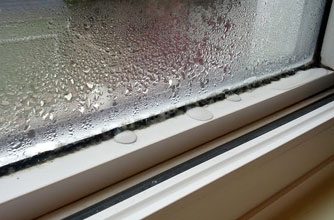
3. Wipe condensation from windows
Condensation on windows should be wiped away regularly, especially in the morning. Leaving water on windows and frames can contribute to mould growth around seals, frames, and walls.
4. Keep furniture away from walls
Avoid placing wardrobes, beds, sofas, or large furniture directly against external walls. Leave a small gap behind furniture so air can circulate.
5. Dry clothes properly
Avoid drying clothes inside bedrooms where possible. If clothes must be dried indoors, keep the room ventilated and use a dehumidifier where appropriate. Do not dry clothes on radiators, as this can increase moisture levels in the room.
6. Use heating correctly
During colder months, keeping the property reasonably and consistently heated can help reduce condensation. Very cold rooms are more likely to develop condensation on walls and windows.
7. Use a dehumidifier if needed
A dehumidifier can help reduce moisture in rooms where condensation is common. This can be particularly helpful in bedrooms, bathrooms, and rooms where clothes are dried indoors.
8. Report leaks immediately
Report any leaks, water stains, wet patches, roof issues, plumbing problems, or damaged seals as soon as they are noticed. Leaks should not be left untreated, as they can lead to worsening damp and mould.
When to Report Damp or Mould
Please open a maintenance task if:
- The mould is extensive or spreading
- The mould keeps returning after cleaning
- There are damp patches, wet walls, bubbling paint, or peeling plaster
- You suspect a leak from plumbing, roof, windows, walls, or another property
- There is mould behind furniture despite leaving airflow space
- The room has poor ventilation or an extractor fan is not working
- The issue affects your health or you are vulnerable to mould exposure
Photos and Information Required
When opening a maintenance task, please include:
- Clear photos of the mould or damp area
- Close-up photos and wider photos showing the room/location
- Photos of any condensation on windows
- Photos of any leak, wet patch, staining, bubbling paint, or peeling plaster
- Confirmation of whether the area has already been cleaned
- Confirmation of whether the mould returned after cleaning
- Confirmation that windows, vents, and extractor fans are being used where available
- Confirmation of whether furniture is placed against the affected wall
- Details of when the issue started and whether it is getting worse
Providing this information at the beginning helps us assess whether the issue is likely to be condensation, lack of ventilation, a leak, or a structural problem.
Possible Contractor Charges
If a contractor attends and the issue is found to have been caused by avoidable condensation, lack of ventilation, failure to clean small areas of surface mould, drying clothes indoors without ventilation, or furniture being placed directly against external walls, the cost may be recharged to the tenant.
If the issue is caused by a leak, structural defect, failed seal, roof problem, plumbing issue, or another matter not caused by tenant use, the landlord will normally be responsible for arranging the repair.