How to Clean a Washing Machine That Smells or Leaves Clothes Dirty
If the washing machine is not cleaning clothes properly, smells of mould, or has a bad odour, this is often caused by detergent residue, mould build-up, a dirty rubber door seal, a blocked filter, or the machine door being left closed after use.
Tenants are responsible for taking reasonable care of the property and its contents, including keeping appliances clean through regular basic maintenance. Before reporting the washing machine as faulty, please complete the cleaning steps below.
If the issue continues after the cleaning steps have been completed, please open a maintenance task and upload photos showing the drawer, rubber seal, drum, and filter have been cleaned. This helps us arrange an appliance engineer without unnecessary delays.
Important Safety Notice
- Always follow the instructions on any washing machine cleaner, descaler, bleach, or cleaning product.
- Do not mix bleach with vinegar or any other cleaning products.
- Do not add laundry when running a cleaning cycle.
- Wear gloves when cleaning mould, residue, or dirty areas.
- If there is leaking, burning smell, electrical fault, or visible damage, stop using the appliance and report the issue immediately.
Video Guide
The video below shows useful steps for cleaning and maintaining a washing machine.
How to Clean the Washing Machine
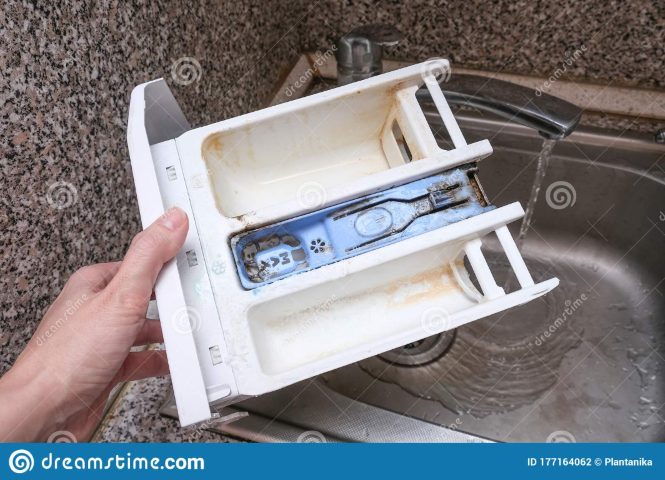
1. Clean the detergent dispenser drawer
Remove the detergent dispenser drawer and clean it with warm water and a cloth. Detergent and fabric softener residue can build up inside the drawer and cause bad smells, mould, or poor washing results.
You can also use an old toothbrush to clean hard-to-reach corners and remove stubborn residue. The dispenser drawer should ideally be cleaned every five to ten washes, or at least once a month.
2. Clean the rubber door seal
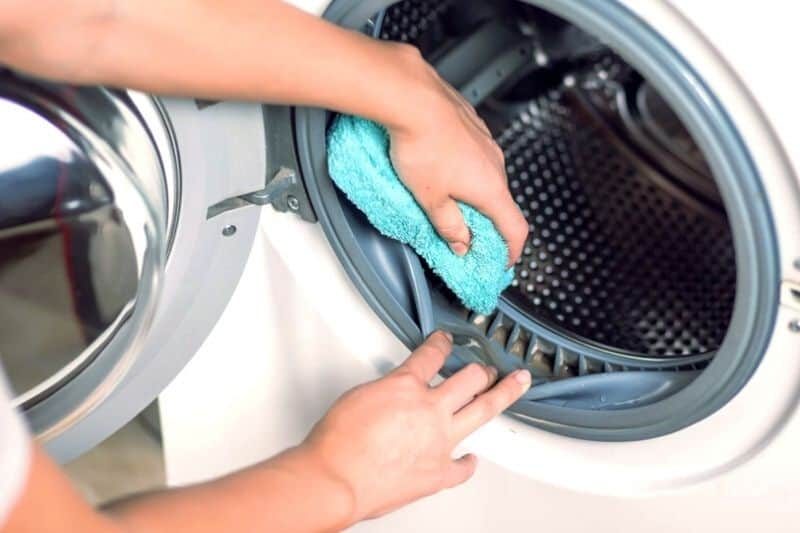
The rubber door seal can collect water, detergent residue, hair, fluff, and mould. Pull the rubber seal back gently and clean underneath and around it using a cloth with hot soapy water or a suitable mildew cleaner.
Make sure you clean all hidden areas of the rubber seal, as this is one of the most common places where mould and bad smells develop.
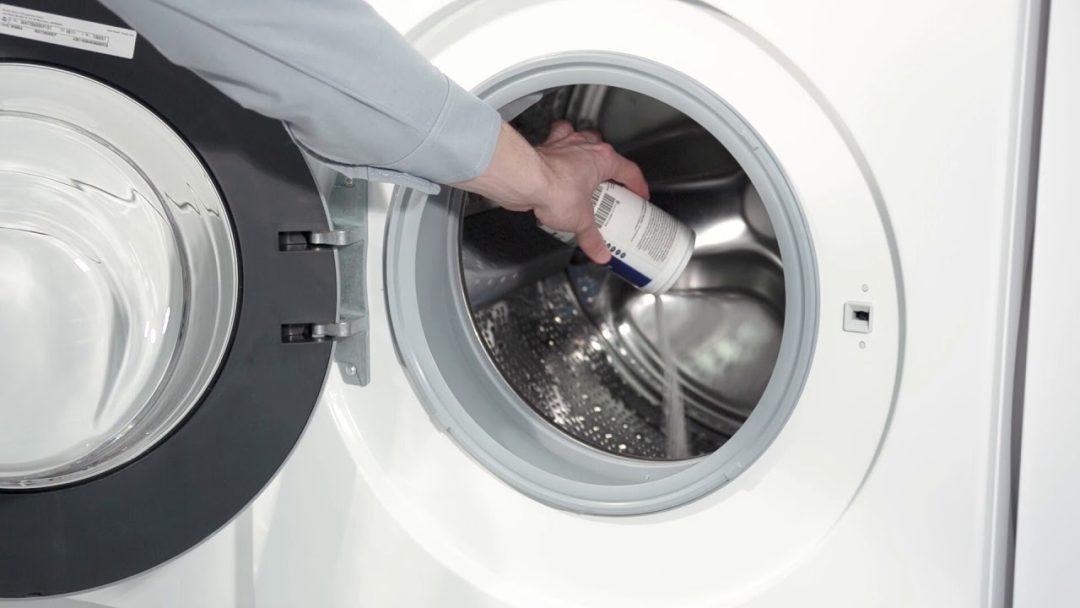
3. Run a hot cleaning cycle
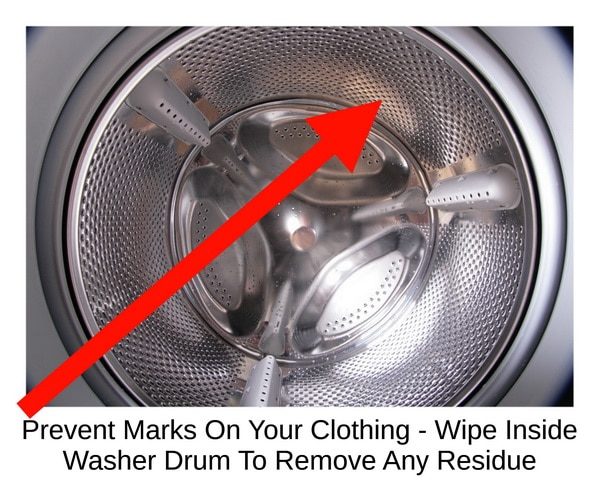
Once the drawer and rubber seal have been cleaned, run a hot wash or washing machine cleaning cycle with no laundry inside the machine.
You can use a suitable washing machine cleaner or descaler. Alternatively, depending on the manufacturer’s guidance, you may use either white vinegar or bleach. Do not use vinegar and bleach together, and do not mix cleaning products.
A hot cleaning cycle helps remove detergent residue, mould, bacteria, and odours from inside the drum.
4. Leave the washing machine door open after use
After every wash, leave the washing machine door slightly open so the inside of the machine can dry. This helps prevent mould, mildew, and bad smells from developing.
You should also leave the detergent drawer slightly open after use so it can dry properly.
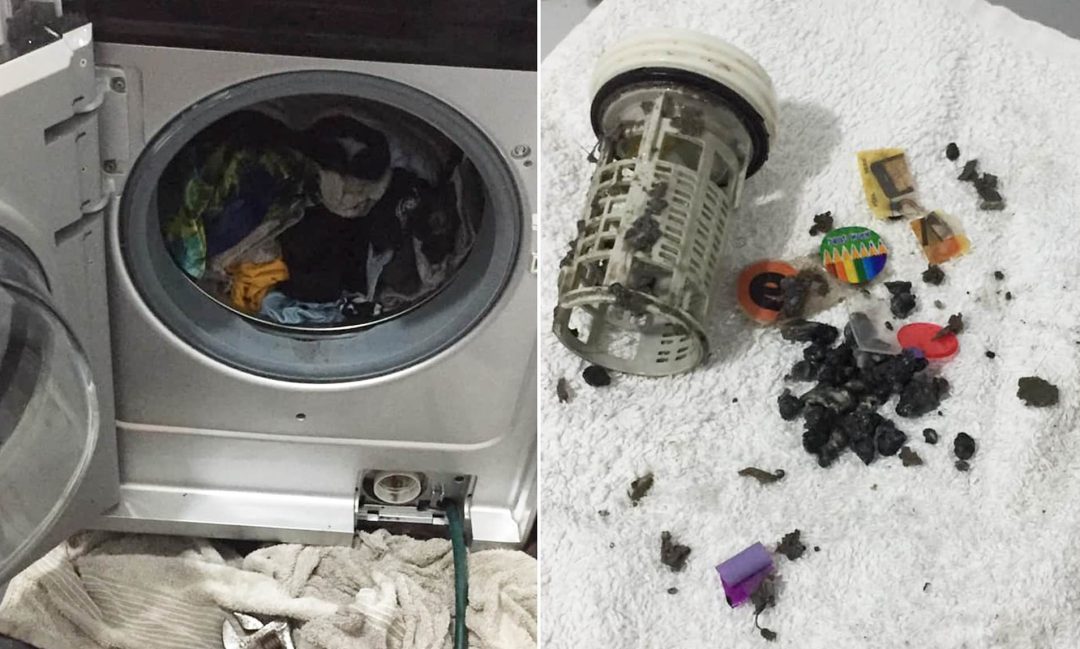
5. Clean the washing machine filter
A blocked filter can stop the washing machine from draining properly and can also cause bad smells. The filter should be checked and cleaned regularly.
For full instructions, please read our guide: Washing Machine Not Working? Check the Filter First.
6. Use a washing machine cleaner or descaler regularly
It is recommended to use a washing machine cleaner or descaler from time to time, especially in areas with hard water. This helps remove limescale, detergent residue, and odours.
Always follow the product instructions and use a cleaner suitable for washing machines.
View examples of washing machine cleaners and descalers
How Often Should Tenants Clean the Washing Machine?
- Leave the door open after every wash.
- Leave the detergent drawer slightly open after every wash.
- Clean the rubber seal regularly, especially if there is visible mould or residue.
- Clean the detergent drawer every five to ten washes, or approximately once a month.
- Run a hot cleaning cycle or use a washing machine cleaner/descaler from time to time.
- Check and clean the filter regularly, especially if the machine smells, does not drain properly, or leaves clothes wet.
When to Report the Issue
If the washing machine still smells, does not clean properly, or appears faulty after all cleaning steps have been completed, please open a maintenance task in the system.
When opening the task, please include:
- The make and model number of the washing machine
- A photo of the front of the appliance
- A photo of the model label, usually found inside the door or around the door frame
- Photos showing the detergent drawer has been cleaned
- Photos showing the rubber door seal has been cleaned
- Photos showing the filter has been checked and cleaned
- A photo or video showing the issue
- Any error code shown on the display
- Confirmation that a hot cleaning cycle or washing machine cleaner/descaler has been used
Providing this information at the beginning helps us review the issue and arrange an appliance engineer without unnecessary delays, where required.
Possible Contractor Charges
If an appliance engineer attends and the issue is found to have been caused by lack of cleaning, mould build-up, a blocked filter, misuse, or items left in clothing pockets, the cost of the call-out and repair may be charged to the tenant.
If the appliance is faulty due to a mechanical or electrical issue not caused by tenant use, the landlord will normally be responsible for arranging the repair.