How Tenants Can Reduce Energy Use and Utility Bills
Reducing unnecessary gas and electricity use helps control household costs, protects the environment and ensures that shared utility allowances are used fairly.
In shared accommodation, utility bills may be included only up to the fair-usage allowance stated in the tenancy agreement. Where total consumption exceeds that allowance, the additional cost may be shared equally between the tenants unless individual responsibility can be clearly identified.
All tenants should therefore use heating, hot water and electrical appliances responsibly. If you believe a flatmate is consistently wasting energy, please speak with them first. If the situation continues, contact the property manager.
Why Meter Readings Matter
```Where the property does not have a communicating smart meter, regular meter readings help the supplier calculate actual consumption instead of relying on estimates.
Monthly readings make it easier to monitor usage, identify unusual increases and reduce the risk of inaccurate estimated bills.
```Simple Ways to Save Energy
1. Only boil the water you need
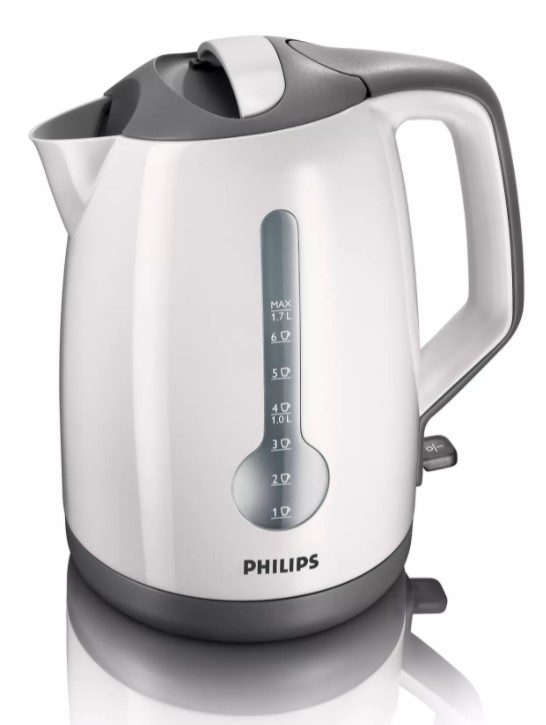
Kettles use a significant amount of electricity over a short period. Only fill the kettle with the amount of water you need.
If you are making one drink, use the one-cup marker where available rather than filling the entire kettle.
2. Cook efficiently
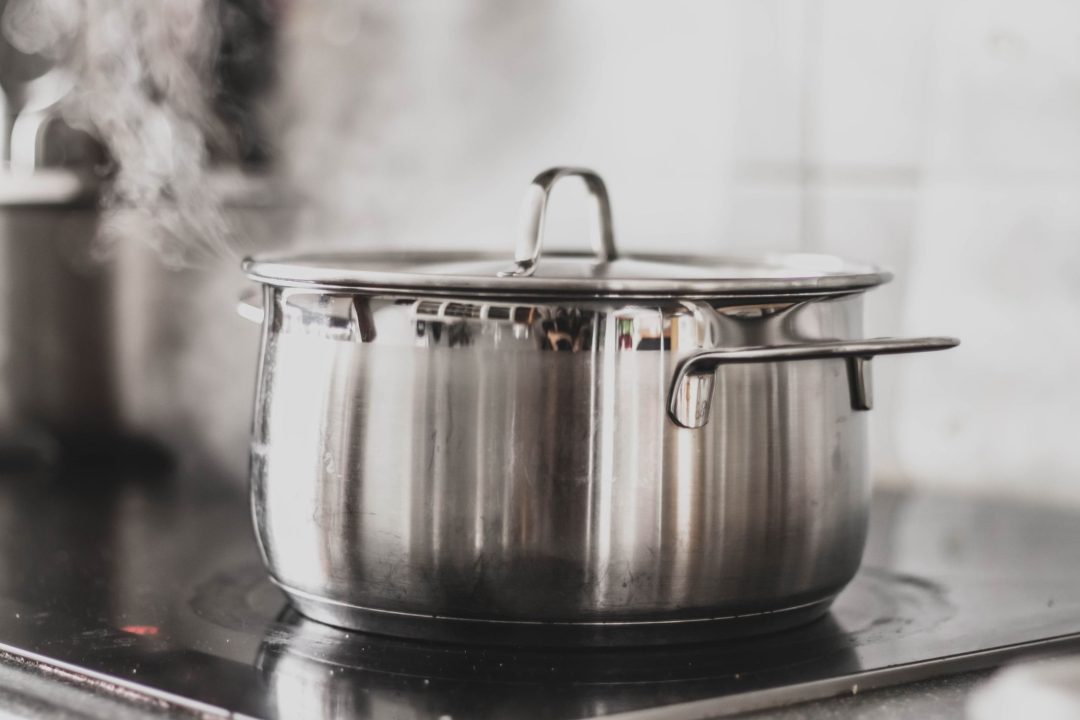
Use a saucepan or frying pan that matches the size of the hob ring. Where appropriate, place a lid on the pan so food heats more quickly and less energy is lost.
- Reduce the hob temperature once the food is boiling.
- Do not heat an empty pan unnecessarily.
- Use only the amount of water required.
- Switch the hob off promptly when cooking is complete.
3. Use the heating responsibly
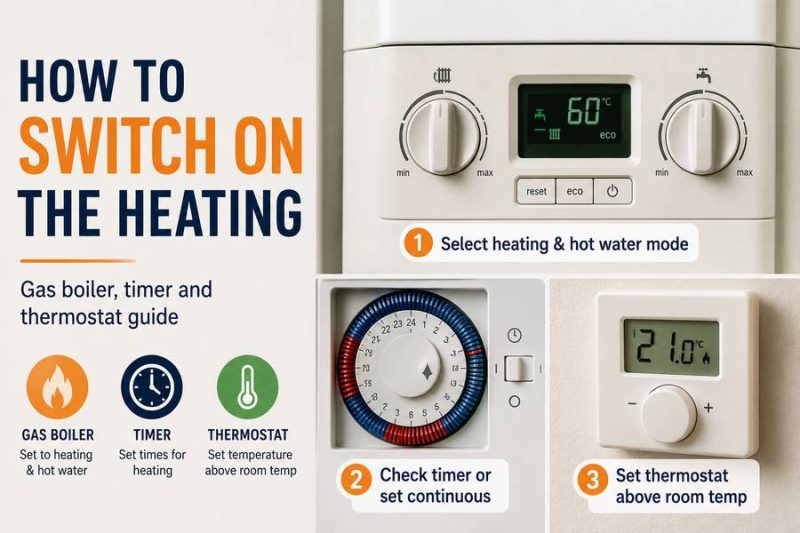
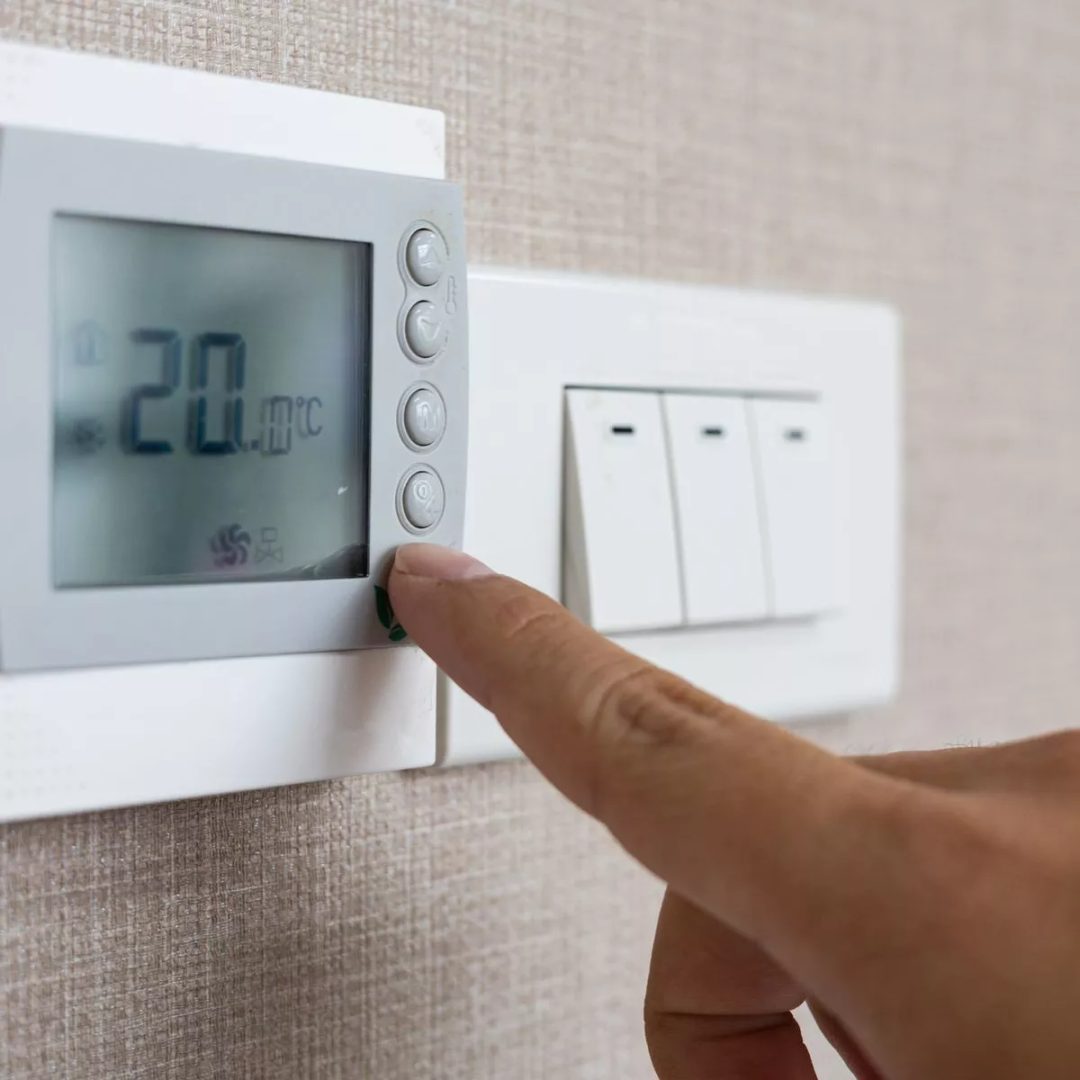
Avoid overheating the property. Set the thermostat only as high as reasonably required for comfort and reduce the setting if the room becomes too warm.
A moderate and consistent temperature is generally more efficient than repeatedly heating a very cold room to a very high temperature. It can also help reduce condensation and mould.
- Reduce the thermostat when the property is unoccupied.
- Use the timer or schedule where available.
- Do not leave windows open while the heating is running for long periods.
- Keep radiators clear of furniture, clothes and curtains.
- Do not use heating continuously when it is not required.
Do not switch the heating off for extended periods during very cold weather if this could create a risk of condensation, mould or frozen pipes.
4. Check radiator valves
If the property has thermostatic radiator valves, use them to control the temperature of individual rooms.
Turn the valve down if the room is already warm. Do not leave every radiator at its maximum setting unless this is genuinely required.
5. Use electric radiators and heaters carefully
Electric heaters can use a large amount of electricity. Switch them off when they are not required and when the room is unoccupied.
Where the heater has a thermostat or timer, use those controls rather than leaving it running continuously. Search the make and model online if you need the operating manual.
Do not use portable heaters to dry clothes and do not cover them.
6. Switch electric towel rails off when not required
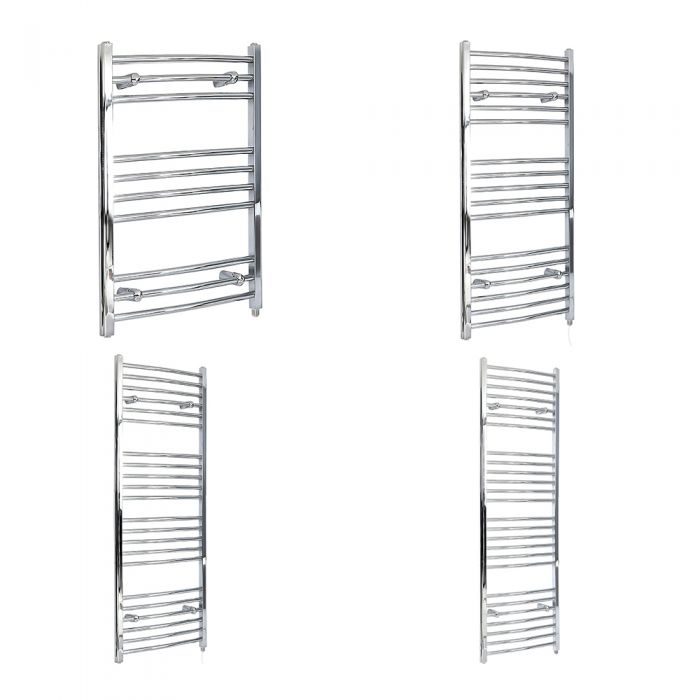
An electric bathroom towel rail should not normally be left on continuously. Use the timer where one is installed and switch the rail off when it is not needed.
7. Use the boiler’s efficient settings
If the property has an individual boiler, check whether it has an Eco mode, timer or adjustable heating controls.
Refer to the manufacturer’s manual for the correct settings. Search the boiler make and model followed by the word “manual” to find the relevant instructions.
Do not remove the boiler cover or adjust internal components.
8. Use LED light bulbs
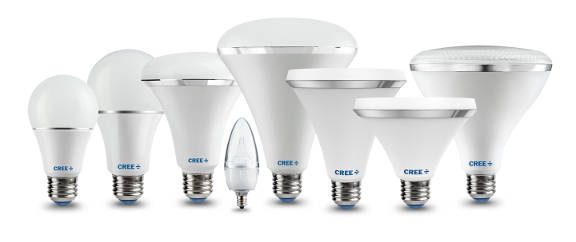
When replacing a standard tenant-replaceable light bulb, use an LED equivalent with the correct fitting, voltage and maximum permitted wattage.
Switch lights off when leaving a room and make use of natural daylight where possible.
9. Use washing machines and dishwashers efficiently
Run the washing machine or dishwasher with a full but not overloaded load. Avoid running appliances for only a few items unless necessary.
- Use Eco mode where appropriate.
- Wash clothes at 30°C where suitable for the items.
- Use a lower-temperature programme when hygiene requirements allow.
- Clean appliance filters regularly.
- Avoid unnecessary tumble-dryer use where clothes can be dried safely another way.
If the property has an off-peak electricity tariff, appliances may be cheaper to run during the supplier’s off-peak hours. Check the meter and tariff information before relying on this, as the times vary between properties and suppliers.
10. Avoid unnecessary standby consumption
Switch off devices that are not being used, particularly televisions, games consoles, computers, monitors and chargers.
Do not switch off essential equipment such as the internet router, fridge, freezer, fire-safety systems or other equipment that must remain powered.
11. Use the fridge and freezer correctly
- Do not leave the doors open longer than necessary.
- Make sure the doors close and seal properly.
- Defrost excessive ice build-up when required.
- Allow hot food to cool before placing it inside.
- Do not set the appliance colder than necessary.
12. Reduce unnecessary hot-water use
Take reasonably timed showers and avoid leaving hot taps running unnecessarily.
Report dripping hot-water taps promptly, as they waste both water and the energy used to heat it.
Provide Monthly Meter Readings
Unless a working smart meter already sends readings automatically, tenants may be required under the tenancy agreement to provide regular readings for:
- Electricity
- Gas, where installed
- Heat networks or communal heating, where separately metered
When taking a reading:
- Take a clear photo of the meter display.
- Make sure the full reading is visible.
- Include the meter serial number where requested.
- Submit the reading through the appropriate tenant or maintenance system.
If the agent has to arrange a visit solely because required readings have not been provided, a call-out charge may apply where permitted by the tenancy agreement.
How to Understand an Energy Bill
Although bills vary between suppliers, the main information normally includes:
- The billing period
- Previous and current meter readings
- Whether the readings are actual or estimated
- Energy consumption in kilowatt-hours
- The unit rate
- The daily standing charge
- The account balance, credit or debit
- The tariff name
- The payment method
A credit balance means payments have exceeded the charges currently applied to the account. A debit balance means the charges currently exceed the payments received.
Regular meter readings help make the balance more accurate and reduce reliance on estimated consumption.
Shared Accommodation and Excess Usage
In a shared property, all tenants should cooperate to keep consumption within the fair-usage allowance. One tenant’s excessive use may increase the cost for everyone.
Examples of avoidable excessive usage may include:
- Leaving heating or electric heaters on continuously
- Heating rooms while windows are left open
- Leaving towel rails on continuously
- Repeatedly running partially empty appliances
- Using portable heaters unnecessarily
- Leaving lights and high-consumption equipment on when rooms are unoccupied
Where consumption exceeds the contractual allowance, the additional supplier charge may be divided between the tenants in accordance with the tenancy agreement.
Report Faulty Equipment
Energy-saving measures should never involve using damaged or unsafe equipment. Please report:
- Heating controls that do not work
- Radiators that remain permanently hot
- Hot-water systems that cannot be controlled
- Faulty timers or thermostats
- Leaking hot-water taps
- Damaged sockets, switches or electrical appliances
- Fridge or freezer doors that do not seal properly