Ants, flies, moths, silverfish and other insects may enter a property in search of food, moisture, warmth or shelter. Acting early and keeping the property clean can prevent a small problem from becoming a larger infestation.
Tenants are expected to maintain reasonable cleanliness, dispose of rubbish correctly, store food properly and carry out basic treatment for minor household insect activity where it is safe to do so.
However, recurring or widespread activity may be caused by holes, defective seals, leaks, damp, communal areas or a building-wide infestation. These issues should be reported through the maintenance system with clear photographs.
Important Safety Notice
```- Always read and follow the instructions on insect sprays, traps and bait stations.
- Keep pest-control products away from children, pets, food and cooking equipment.
- Do not mix insecticides with bleach, cleaning chemicals or other pest-control products.
- Ventilate the room where required by the product instructions.
- Do not spray products directly onto people, animals, bedding, food or food-preparation surfaces.
- Do not place loose poison or chemical products where children or pets can reach them.
- Wash your hands after handling traps, bait stations or insecticides.
- If anyone becomes unwell after exposure to a product, seek medical advice and retain the product packaging.
First Identify the Type of Insect
Before choosing a treatment, try to identify the insect and where it is coming from. Different pests require different treatment methods.
Take clear photographs or videos showing:
- The insect itself
- The room and exact location where it was found
- Any nest, eggs, larvae, droppings or shed skins
- Damaged food packaging, clothing or furniture
- Cracks, holes, drains or gaps that may provide an entry point
Avoid immediately spraying or disposing of all evidence if you may need to report the infestation. A clear photograph can help identify the correct treatment.
How to Prevent Household Insects
1. Keep food areas clean
Wipe kitchen worktops, tables and floors regularly. Remove crumbs, grease, spilled drinks and food residue promptly.
Clean underneath and behind appliances where safely accessible, including:
- The fridge and freezer
- The cooker
- The microwave
- The toaster
- Kitchen cupboards
- Bins and recycling containers
2. Empty rubbish frequently
Do not allow rubbish or food waste to build up inside the property. Seal bin bags properly and place them in the correct outside bins.
- Do not leave full bin bags in kitchens, hallways or communal areas.
- Clean spills or food residue from the bin.
- Keep bin lids closed.
- Dispose of food waste frequently during warm weather.
3. Store food in sealed containers
Keep opened food packets securely closed or transfer the food into airtight containers.
This is particularly important for:
- Flour
- Rice and pasta
- Cereal
- Sugar
- Biscuits and snacks
- Pet food
- Dried fruit, nuts and spices
Do not leave uncovered food or dirty dishes out overnight.
4. Remove standing water and moisture
Insects may be attracted to water and damp areas. Dry sinks, worktops and bathroom surfaces and report persistent leaks.
- Do not leave dirty dishes soaking for long periods.
- Wipe water from kitchen and bathroom floors.
- Report leaking taps, pipes and appliances.
- Use bathroom and kitchen extractor fans.
- Clean blocked drains and remove trapped food residue.
5. Reduce clutter
Cardboard boxes, paper bags, open packages and piles of clothing can provide hiding places for insects.
Dispose of unnecessary cardboard and keep belongings stored neatly. Vacuum around the edges of rooms, underneath beds and inside wardrobes.
6. Limit entry points
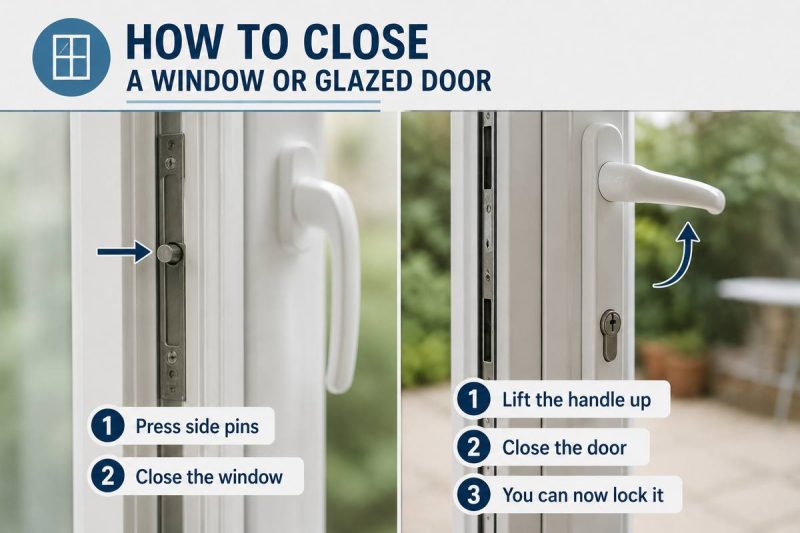
Keep doors and windows properly closed where possible. Use existing screens, door sweeps and draught excluders correctly.
Report significant holes or gaps around:
- Pipework
- Skirting boards
- Doors and windows
- Kitchen cupboards
- External walls
- Ventilation openings
Do not permanently seal ventilation grilles or air vents.
Basic Treatment for Common Insects
Ants
Clean food residue and identify where the ants are entering. Suitable enclosed ant bait stations may be placed along their route, following the manufacturer’s instructions.
Avoid spraying insecticide directly over bait stations, as this may prevent the ants from carrying the bait back to the colony.
Flies and small flying insects
Remove the source attracting the flies, such as food waste, dirty bins, overripe fruit or residue in drains.
Suitable fly traps or insect products may be used according to the label. Do not position chemical products directly over food-preparation areas.
Food moths and pantry insects
Inspect dried food and packaging for larvae, webbing or small insects. Dispose of affected food in a sealed bag and clean the cupboard thoroughly.
Vacuum corners, shelf joints and packaging residue before placing unaffected food into sealed containers.
Clothes moths
Inspect clothing, rugs and natural-fibre fabrics for small holes, larvae or webbing.
- Wash or professionally clean affected items as appropriate.
- Vacuum wardrobes, carpets and skirting boards.
- Dispose of vacuum contents immediately.
- Store clean clothing in sealed containers or garment bags.
- Use suitable moth traps to monitor ongoing activity.
Silverfish
Silverfish are often associated with moisture and hidden areas. Clean the affected room, reduce condensation, ventilate the area and report any leak or persistent damp.
Insects That Should Usually Be Reported
Please report the following rather than relying only on ordinary household spray:
- Bedbugs
- Cockroaches
- Fleas affecting several rooms
- Wasps or an active nest
- Large numbers of insects appearing repeatedly
- Infestations affecting several rooms or properties
- Insects emerging from walls, ceilings or fixed building structures
- An infestation that was present when you moved in
Avoid moving bedding, furniture or belongings between rooms if bedbugs are suspected, as this may spread the infestation.
Ongoing Monitoring
Continue monitoring the affected area after cleaning or treatment.
- Check traps regularly.
- Dispose of dead insects and used traps promptly.
- Repeat treatment only as permitted by the product instructions.
- Continue cleaning and sealing food.
- Take new photographs if activity continues.
Do not repeatedly apply excessive quantities of insecticide. More product does not necessarily provide better treatment and may create unnecessary risk.
When to Open a Maintenance Task
Please open a maintenance task if:
- The infestation is widespread or increasing
- Several rooms or flats are affected
- The insects return after cleaning and appropriate treatment
- You suspect bedbugs, cockroaches, fleas or a wasp nest
- There are holes, leaks, damp or structural entry points
- The infestation was present at the start of the tenancy
- The issue affects communal areas
- A vulnerable occupant may be at risk
- You cannot identify the insect
Photos and Information Required
When opening a maintenance task, please provide:
- Clear close-up photographs of the insects
- Wider photographs showing the affected room
- Details of every room where activity has been noticed
- The approximate number of insects seen
- The times of day when they usually appear
- The date the problem was first noticed
- Photos of any holes, cracks, leaks or entry points
- Photos of damaged food, clothing or furniture
- Details of cleaning and treatment already completed
- The name of any pest-control product already used
- Confirmation of whether other tenants or neighbouring properties are affected
Providing complete information helps determine whether further cleaning, proofing work or professional pest control is required.
Responsibility and Possible Costs
Responsibility depends on the cause and circumstances of the infestation.
Tenants may be responsible for treatment costs where the issue is found to have been caused by:
- Poor cleanliness
- Food being left exposed
- Rubbish not being disposed of correctly
- Failure to treat or report a developing problem promptly
- Pests introduced through the tenant’s belongings, furniture, pets or guests
The landlord will normally review and arrange appropriate action where the infestation appears to result from:
- A structural defect or significant entry point
- A leak, damp or defective drainage
- A building-wide or communal infestation
- An infestation present at move-in and reported promptly with evidence
- A condition that the landlord is responsible for repairing
In shared accommodation, costs relating to tenant-caused activity in communal areas may be shared between the tenants where individual responsibility cannot be identified, subject to the tenancy agreement and available evidence.