How Tenants Can Help Prevent and Deal With Mice or Rodents
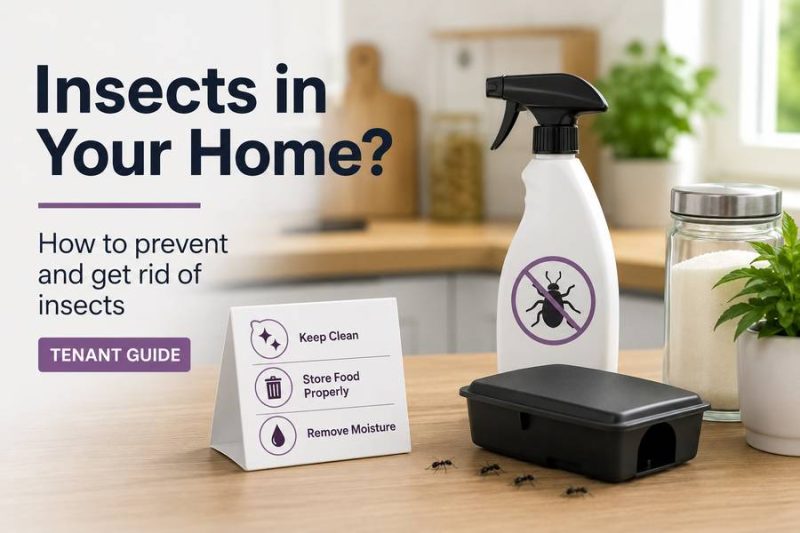
Mice and rodent issues can occur when food, rubbish, crumbs, or open packaging attract pests into the property. In many cases, infestations can be prevented by keeping the property clean, storing food correctly, and disposing of rubbish frequently.
Tenants are responsible for keeping the property clean, using the property in a tenant-like manner, and taking reasonable steps to help keep the property pest-free. If a pest issue is caused by poor cleanliness, food being left out, rubbish not being disposed of, or misuse of the property, the cost of pest control may be charged to the tenant.
If the issue appears to be caused by a structural defect, such as holes in external walls, damaged pipework areas, or gaps allowing rodents to enter from outside, this should be reported to the landlord or agent with clear photos so it can be reviewed.
Important Safety Notice
- Do not touch mice, droppings, bait, poison, or contaminated areas with bare hands.
- Always wear gloves when cleaning or handling anything that may be contaminated.
- Keep pest control products away from children and pets.
- Always follow the instructions on any trap, bait station, or pest control product.
- Do not use loose poison in open areas. Use enclosed bait stations only, where appropriate.
- If there is a serious infestation, strong smell, dead rodent, or repeated activity, report the issue and contact a pest control company.
How to Help Prevent Mice and Rodents
1. Dispose of rubbish frequently
Rubbish should be disposed of regularly and should not be left to build up inside the property. Food waste should be placed in sealed bags and taken to the correct outside bins as often as needed.
- Do not leave bin bags inside the kitchen or hallway for long periods.
- Do not leave food waste overnight where possible.
- Make sure outside bins are closed properly after use.
- In a flatshare, all tenants are expected to help keep communal areas clean.
2. Store food correctly
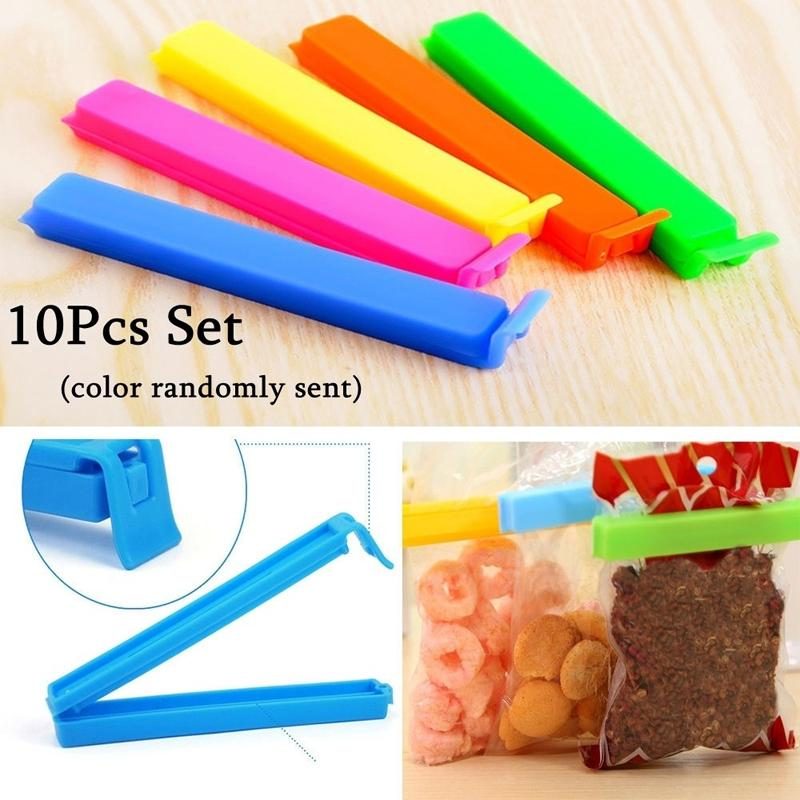
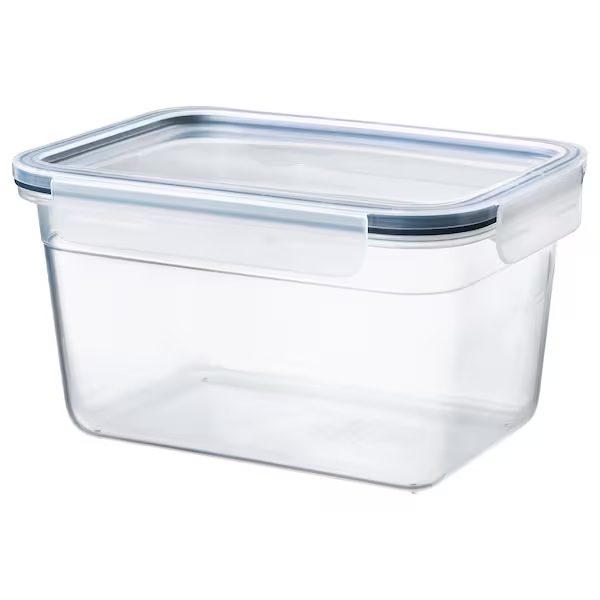
Open food packaging can attract mice and rodents. Food should be kept sealed and stored inside cupboards or containers.
- Keep food in sealed packets or airtight containers.
- Do not leave food on kitchen worktops overnight.
- Do not leave pet food out for long periods.
- Check behind appliances for dropped food or crumbs.
Where possible, use plastic or airtight containers for dry food such as pasta, rice, cereal, flour, biscuits, and snacks.
3. Clean the property regularly
Regular cleaning is one of the most important ways to prevent pest activity. This is especially important in kitchens, communal areas, and around appliances.
- Clean kitchen worktops after cooking.
- Sweep or vacuum crumbs from the floor.
- Clean behind and underneath appliances where possible.
- Do not leave dirty dishes, food, or open packets in communal areas.
- Dispose of food and rubbish daily where there is any sign of pest activity.
What to Do If You See Mice or Rodent Activity
1. Check for signs of activity
Look for signs such as droppings, scratching noises, chewed packaging, damaged food bags, or small holes around walls, pipework, cupboards, or skirting boards.
Please take clear photos or videos of any evidence, including:
- Droppings
- Chewed food packaging
- Holes or gaps where rodents may be entering
- Areas behind appliances or cupboards
- Any traps or bait stations already used
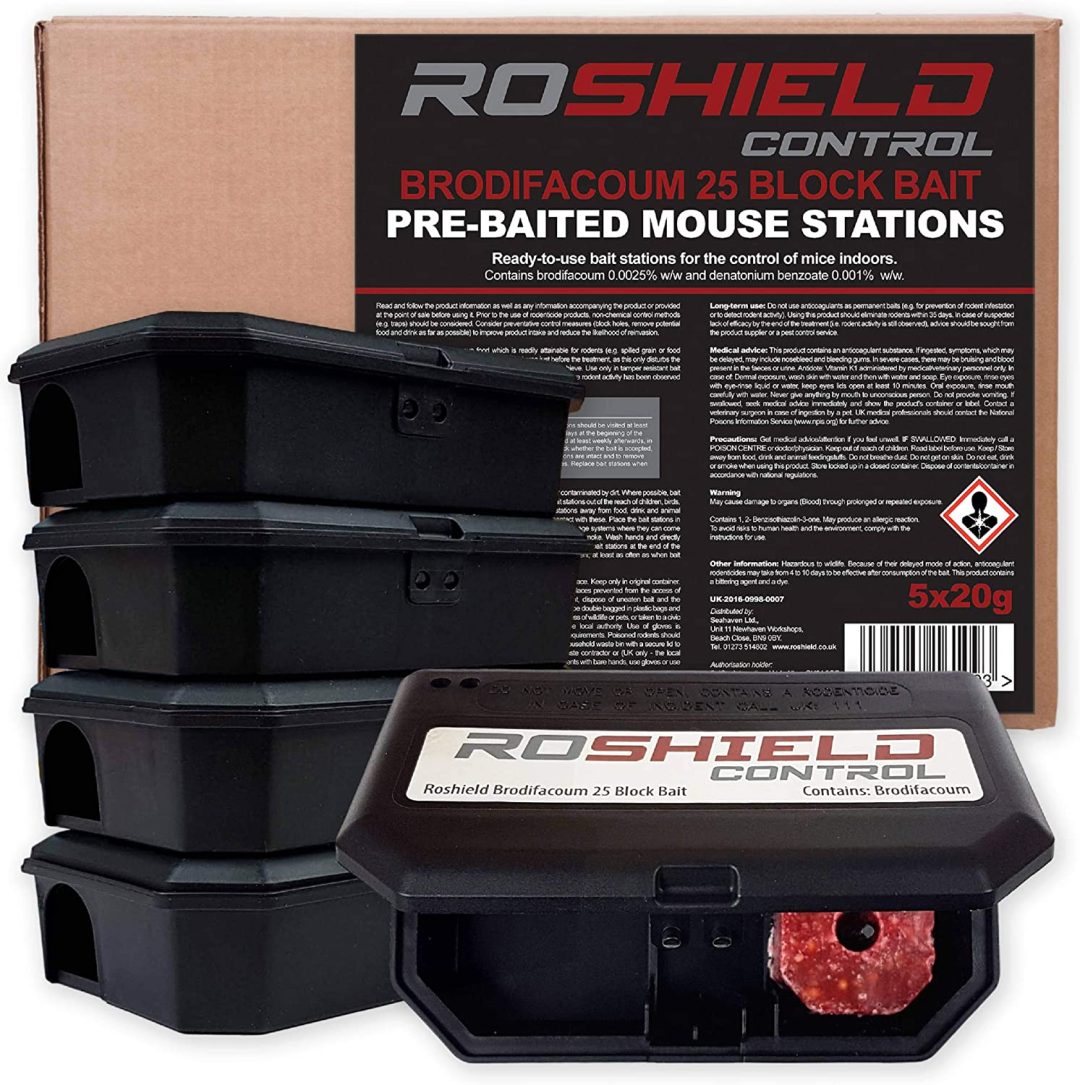
2. Use suitable traps or enclosed bait stations
Tenants may purchase suitable mouse traps or enclosed bait stations from supermarkets, hardware shops, or online retailers. Enclosed bait stations are generally safer than loose poison because the bait is kept inside a plastic container.
Always follow the manufacturer’s instructions and place traps or bait stations safely, away from children, pets, and food preparation areas.
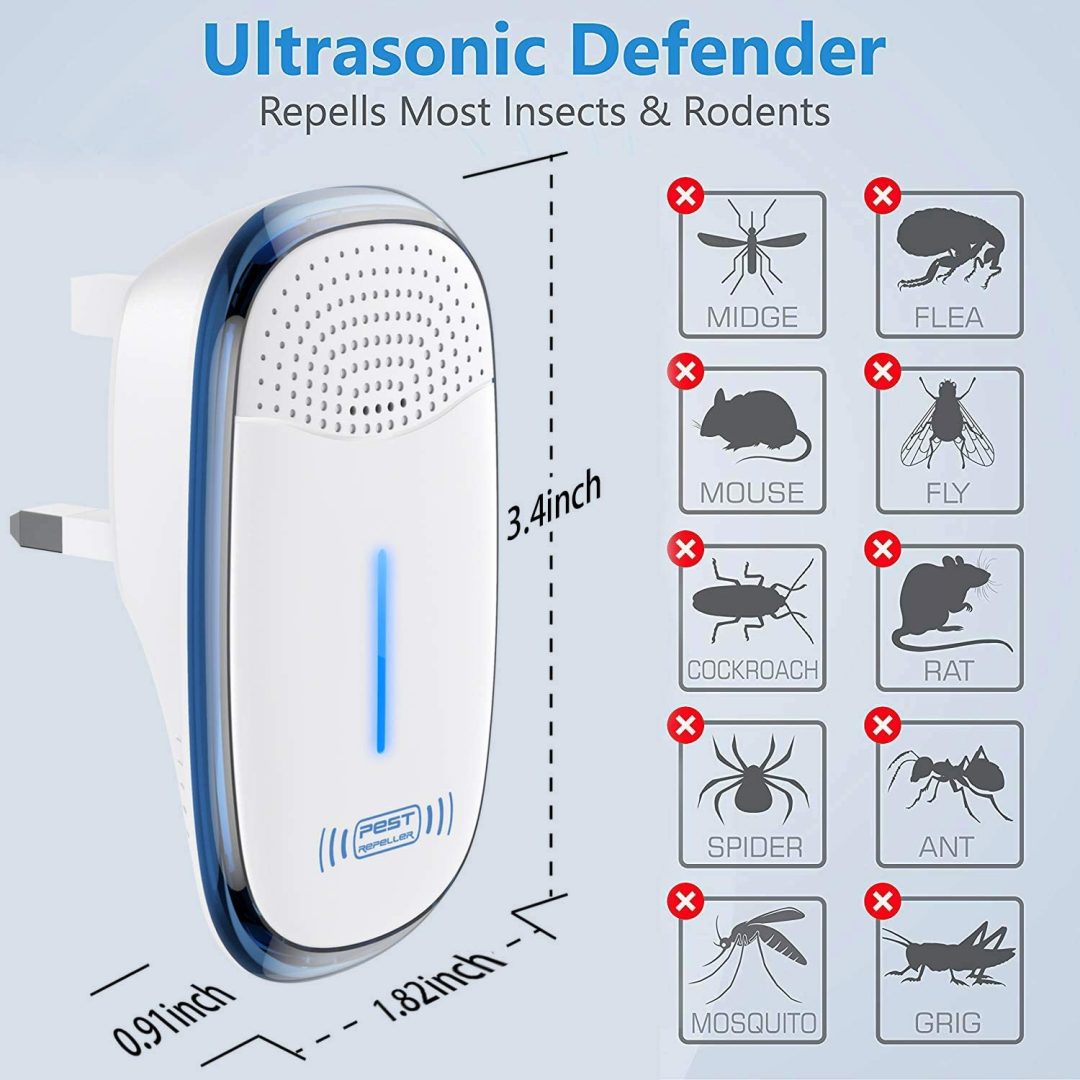
3. Consider an ultrasonic pest repeller
Some tenants also choose to use an ultrasonic pest repeller. These devices may help discourage pest activity, but they should not replace cleaning, proper food storage, rubbish disposal, and sealing possible entry points.
Check for Holes, Gaps, or Entry Points
If you live in an older property, check carefully for holes or gaps around walls, skirting boards, pipework, kitchen units, cupboards, and external doors. Mice can enter through very small gaps.
If you find a hole or possible entry point, please take clear photos and report it through the maintenance system. Do not seal a hole without reporting it first if there is an active infestation, as further treatment may be required.
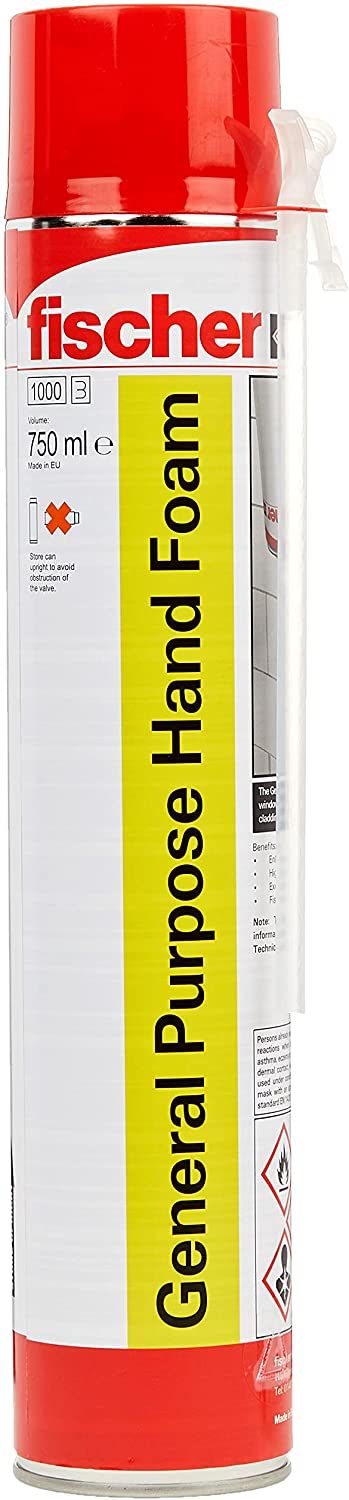
In some cases, gaps may need to be sealed with suitable materials such as wire wool, sealant, or expanding foam. This should be done carefully and only where appropriate.
When to Report the Issue
If you continue to see signs of mice or rodents after cleaning, removing food sources, disposing of rubbish, and using suitable traps or bait stations, please open a maintenance task in the system.
When opening the task, please include:
- Photos or videos showing the pest activity
- Photos of any droppings or chewed packaging
- Photos of any holes, gaps, or possible entry points
- Confirmation that food has been sealed and rubbish has been removed
- Confirmation that the kitchen and affected areas have been cleaned
- Details of any traps, bait stations, or pest control products already used
Providing this information at the beginning helps us review the issue and, where required, arrange pest control without unnecessary delays.
Possible Pest Control Charges
If a pest control company attends and the issue is found to have been caused by poor cleanliness, food left out, rubbish build-up, or tenant misuse, the cost may be charged to the tenant.
If you live in a flatshare and the issue relates to communal areas, the cost may be shared equally between the tenants unless responsibility can be clearly identified.
If the pest issue is caused by a structural problem or an entry point that is the landlord’s responsibility, this will be reviewed separately.