Blocked sinks and showers are usually caused by hair, soap residue, grease, food waste, or other items entering the drain. Tenants are expected to take reasonable care of the property and should try basic safe unblocking steps before reporting the issue to the landlord or agent.
If a contractor attends and the blockage is found to have been caused by tenant use, misuse, or lack of regular cleaning, the contractor’s call-out fee and labour cost may be charged to the tenants. Where the issue relates to a shared sink, shower, or communal area, the cost may be shared between the tenants unless responsibility can be clearly identified.
Important Safety Notice
- Always wear gloves and protective glasses.
- Always follow the instructions on any drain-unblocking product.
- Do not mix chemical drain unblockers with vinegar, baking soda, bleach, or any other cleaning products.
- Keep chemical products away from children and pets.
- If there is a leak, damaged pipework, or you are unsure what to do, stop and contact the landlord/agent or a qualified contractor.
There are two main ways to unblock a sink or shower
1. Use a drain-unblocking liquid
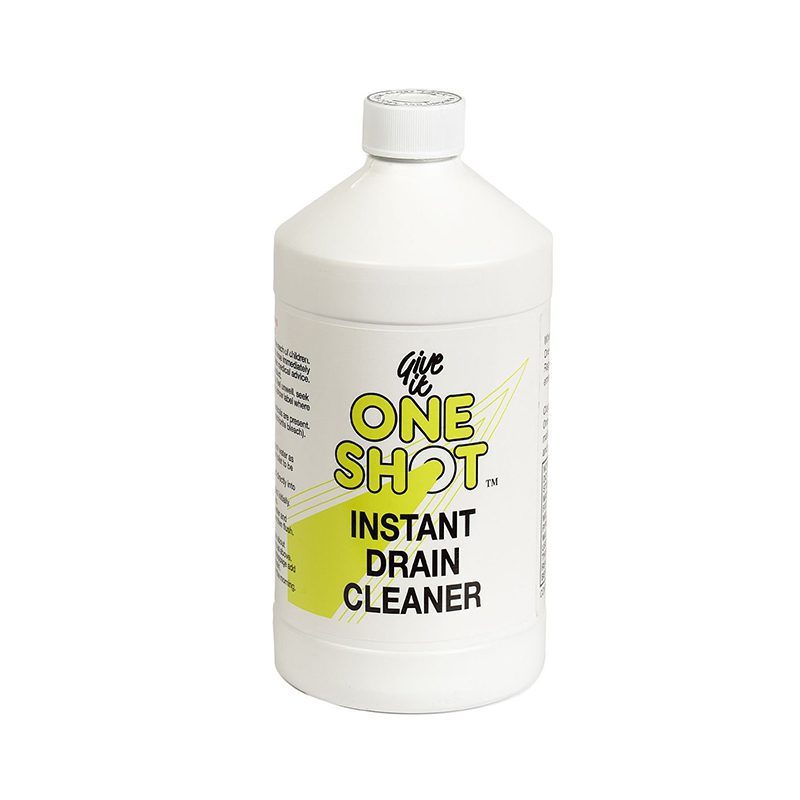
You can try using a suitable drain-unblocking liquid. One commonly used product is “One Shot” or a similar drain unblocker. Please read and follow the manufacturer’s instructions carefully before using it.
2. Physically clean the drainage pipes
The most effective method is often to remove and clean the drainage trap or pipework, especially where the blockage is caused by hair, soap residue, grease, or debris.
How to unblock a sink
How to unblock a shower
Step-by-step guide
1. Prepare the area
Before starting, make sure you have the following items:
- Protective glasses and gloves
- A dishcloth or cloth
- Baking soda and white vinegar
- Soda crystals
- A washing-up bowl or bucket
- A plunger
2. Clean the plughole
Remove the plug or drain cover, where possible, and check the plughole. Remove any visible hair, debris, or grime that may be blocking the drain.
3. Use a plunger
Make sure there is enough water around the plughole to create an airtight seal. Place the plunger over the plughole and gently push it up and down.
4. Block the overflow
If the sink has an overflow, use a cloth to block it while plunging. This helps create better pressure and can make the plunger more effective.
5. Try baking soda and vinegar
If plunging does not clear the blockage, you can try pouring a small amount of baking soda down the plughole, followed by a cup of white vinegar. Leave it for a few minutes while it fizzes and works through the debris.
Please note: do not use this method if you have already used a chemical drain unblocker, unless the product instructions confirm it is safe to do so.
6. Flush with hot water
After a few minutes, flush the drain with hot water from the tap to help wash away loosened residue.
7. Try soda crystals
Alternatively, you can dissolve soda crystals in hot water and carefully pour the solution down the plughole. This may help remove grease, fats, soap residue, and general build-up.
8. Clean the U-bend under the sink
For a stubborn sink blockage, the U-bend may need to be removed and cleaned. The U-bend is the curved section of pipe underneath the sink.
9. Place a bucket underneath
Place a bucket or washing-up bowl underneath the U-bend before loosening it, as water and debris may come out.
10. Loosen the U-bend carefully
Carefully unscrew the plastic fittings where the U-bend connects to the pipework. Once water starts to drain out, pause and allow it to empty into the bucket.
11. Inspect and clean the U-bend
Once the water has drained, remove the U-bend completely and check inside. Remove any objects, hair, grease, or built-up debris. Once cleaned, securely reattach the U-bend and run the tap slowly to check there are no leaks.
When to contact us
If you have followed the steps above and the sink or shower is still blocked, or if you are not comfortable carrying out these steps yourself, please contact us and we can arrange for a contractor to attend.
Please be aware that a call-out fee may apply. Contractor call-out fees are usually between £60 and £100, depending on the contractor’s rates. If the blockage is caused by tenant use, misuse, or lack of regular cleaning, the invoice may be recharged to the tenant or shared equally between the tenants in the property.